

cookie-hinweis • cookie-notice
herzlich willkommen auf meiner webseite! diese webseite benutzt cookies. wenn sie die webseite weiter nutzen, gehe ich von ihrem einverständnis aus. • welcome to my website! this website uses cookies. if you continue to use the website, i will assume your consent.
„KOMM WIE DU BIST!“ (kurt cobain)
© 2025 - sebastian liedke | sämtliche rechte vorbehalten • all rights reserved
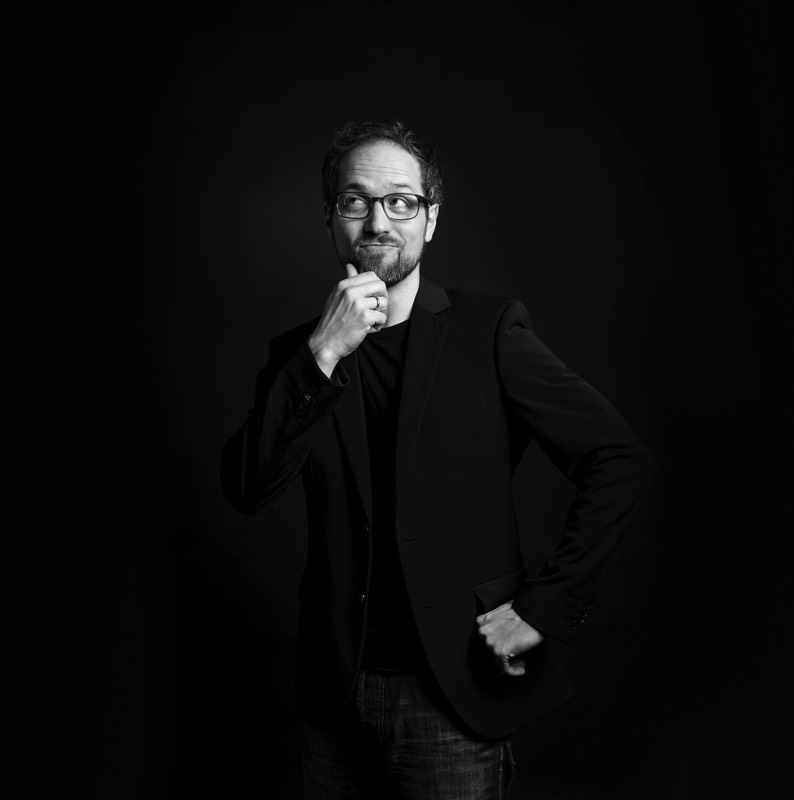
(kontra-) bassist • (jazz-) musiker • mensch | (double-) bassist • (jazz-) musician • human beeing
(kontra-) bassist • (double-) bassist | (jazz-) musiker • (jazz-) musician | mensch • human beeing
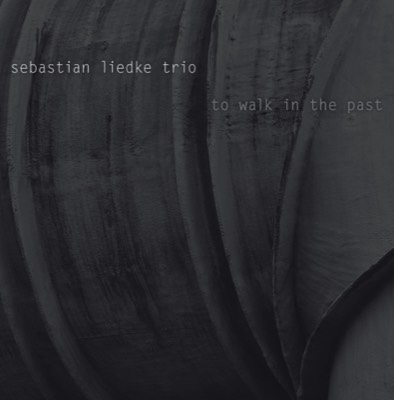
dirk flatau - piano
sebastian liedke - kontrabass • doublebass
lizzy scharnofske - schlagzeug • drums
recorded by marc haussmann on october 18th and 19th 2009 at retox studios, berlin. mixed and mastered january - february 2010 by marc haussmann.
„...insgesamt ein album voller rätsel, schatten, kontraste, spannend und in sanfter poesie verwirrend schön...“ • "...overall a record filled with mystery, shadows, contrasts, exciting and with tender poesy enchanting and beautiful. one can say, perhaps something like trance-jazz after all." (PIANO NEWS 04/2010)
"...ein atmendes, luftiges, übersichtliches, über weite strecken dabei ruhiges, zuckersüß melancholisches jazzalbum, das es definitiv verdient hat, gehört zu werden... tipp!..." • “...a breezy, well-arranged, smooth and sweet melancholic jazz record, that is definitely worth listening to... highly recommended!“ (DRUMS&PERCUSSION 05/2010)
"...diese drei spielen fantastisch zusammen und schaffen berührende musik, bei der man den morgennebel über der spree aufsteigen sieht. toll!" • "...these three perform together beautifully and create intensely soulful music that makes you imagine morning fog rising over the spree. amazing!" (GITARRE&BASS 10/2010)
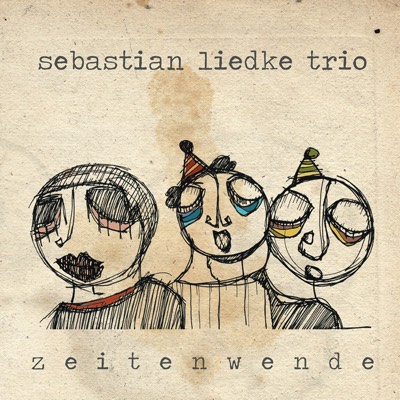
sebastian liedke - kontrabass • doublebass
lucia martinez - schlagzeug • drums
felix otterbeck - piano
recorded by marie havemann on august 28th 2011 at dorian gray studios, berlin. mixed by sebastian liedke and marie havemann, mastered by marie havemann and armin scholz.
"...eine schöne, ruhig fließende Jazzplatte." • „a beautiful, calmly flowing jazz record“ (DRUMS&PERCUSSION 03/2012)
"...alles eigenwillig agierende junge musiker, die gelegentlich klingen, als wäre thelonious monk in den 70ern beim label ecm untergekommen. (...) gelungen!" • „all idiosyncratic young musicians who occasionally sound as if thelonious monk had found a place on the ecm label in the 70s. (...) succeded!“ (GITARRE&BASS 02/2012)

„…this strange and delightful music is both inventive and accessible and easily one of the finest recordings of the year. It pays to take chances.“ (www.allaboutjazz.com | 10´2012)


kontrabass, aufnahme und mischung für • doublebass, recording and mixing for uli wolf:
lieder zum mitsingen, melodiensuche irgendwo zwischen jazz, singer/songwriter und rock, zwischen menschen, landschaften und diversen orten. HENIU stand für eine band die mit klangflächen und melodien experimentiert, den zuhörer in ihren bann zieht, zum verweilen einlädt und dabei zeit und raum vergessen macht. • songs to sing along with, searching for melodies somewhere between jazz, singer/songwriter and rock, between people, landscapes and various places. HENIU stood for a band that experiments with soundscapes and melodies, captivates the listener, invites them to linger and makes them forget time and space.
die klangwelten von HENIU erinnern mitunter an filmmusik. teils verträumt, teils rockorientiert, dann hin und wieder verspielt, jedoch immer mit einer gehörigen portion selbstironie, lassen die kompositionen viel freiraum für improvisation, die HENIU -ohne dabei aufdringlich zu wirken- zu einem ganzen formen. • the soundscapes of HENIU are sometimes reminiscent of film music. partly dreamy, partly rock-oriented, then playful every now and then, but always with a good portion of self-mockery, the compositions leave a lot of freedom for improvisation, which HENIU forms into a whole without being obtrusive.
die klangwelten von HENIU erinnern mitunter an filmmusik. teils verträumt, teils rockorientiert, dann hin und wieder verspielt, jedoch immer mit einer gehörigen portion selbstironie, lassen die kompositionen viel freiraum für improvisation, die HENIU -ohne dabei aufdringlich zu wirken- zu einem ganzen formen. • the soundscapes of HENIU are sometimes reminiscent of film music. partly dreamy, partly rock-oriented, then playful every now and then, but always with a good portion of self-mockery, the compositions leave a lot of freedom for improvisation, which HENIU forms into a whole without being obtrusive.
hans arnold - wurlitzer piano
julius heise - schlagzeug • drums
sebastian liedke - kontrabass • doublebass
recorded and mixed by volker meitz between february and march 2011 at nordkreuz studio, berlin.
„...'von hier nach dort' is a gateway record that could be described as 'jazz for people who prefer pop', 'instrumental music for people who prefer vocal albums' or 'film music that needs no film'. firm forms and shapes, great melodic hooks and catchy riffs underscore this beyond-category release which is built around wurlitzer piano, bass and drums...“
(dan bilawsky – www.allaboutjazz.com 01/2012)
„hans arnold (wurlitzer-e-piano), julius heise (drums) und sebastian liedke (kontrabass) haben wiedererkennungswert: das perlende, mit Hall, phaser und anderen effekten behandelte e-piano, der trockene, knöchern singende kontrabass und ein schlagzeug, das oft absurd eckig groovt. gemeinsam sind sie allerdings sehr stark und in vielen tracks eine großartige musikalische einheit.“ • „hans arnold (wurlitzer e-piano), julius heise (drums) and sebastian liedke (double bass) have recognition value: the sparkling e-piano treated with reverb, phaser and other effects, the dry, bony singing double bass and a drum kit that often grooves absurdly angular. together they are very strong and in many tracks a great musical unit.“
(gitarre&bass - das musiker-fachmagazin 07/2011)
„...the music... is gentle, with an almost childlike sense of innocence and fun. like strawberries, cream and white wine on a warm summer's day, this album is a quiet pleasure that delivers plenty and promises more for the future...“
(bruce lindsay – www.allaboutjazz.com 05/2011)
Auto Reply
vielen dank, dass sie mich kontaktiert haben! ich werde mich schnellstmöglich bei ihnen melden! • thank you for contacting me! i will notify you as soon as I can!
mit freundlichen grüßen • yours,
sebastian liedke
sebastian liedke
IMPRESSUM
ANGABEN GEMÄSS § 5 TMG:
sebastian liedke, dipl.-ing. | gestalttherapeut i.a.
VERANTWORTLICH FÜR DEN INHALT:
sebastian liedke, landheim 14, 42279 wuppertal, deutschland
KONTAKT:
info@sebastianliedke.de
QUELLENANGABEN FÜR DIE VERWENDETEN BILDER UND GRAFIKEN:
www.andreavollmer.de
DATENSCHUTZERKLÄRUNG
datenschutz
die betreiber dieser seiten nehmen den schutz ihrer persönlichen daten sehr ernst. wir behandeln ihre personenbezogenen daten vertraulich und entsprechend der gesetzlichen datenschutzvorschriften sowie dieser datenschutzerklärung.
die nutzung unserer website ist in der regel ohne angabe personenbezogener daten möglich. soweit auf unseren seiten personenbezogene daten (beispielsweise name, anschrift oder e-mail-adressen) erhoben werden, erfolgt dies, soweit möglich, stets auf freiwilliger basis. diese daten werden ohne ihre ausdrückliche zustimmung nicht an dritte weitergegeben.
wir weisen darauf hin, dass die datenübertragung im internet (z.b. bei der kommunikation per e-mail) sicherheitslücken aufweisen kann. ein lückenloser schutz der daten vor dem zugriff durch dritte ist nicht möglich.
cookies
die internetseiten verwenden teilweise so genannte cookies. cookies richten auf ihrem rechner keinen schaden an und enthalten keine viren. cookies dienen dazu, unser angebot nutzerfreundlicher, effektiver und sicherer zu machen. cookies sind kleine textdateien, die auf ihrem rechner abgelegt werden und die Ihr browser speichert.
die meisten der von uns verwendeten cookies sind so genannte „session-cookies“. sie werden nach ende ihres besuchs automatisch gelöscht. andere cookies bleiben auf ihrem endgerät gespeichert, bis sie diese löschen. diese cookies ermöglichen es uns, ihren browser beim nächsten besuch wiederzuerkennen.
sie können ihren browser so einstellen, dass sie über das setzen von cookies informiert werden und cookies nur im einzelfall erlauben, die annahme von cookies für bestimmte fälle oder generell ausschließen sowie das automatische löschen der cookies beim schließen des browser aktivieren. bei der deaktivierung von cookies kann die funktionalität dieser website eingeschränkt sein.
server-log files
der provider der seiten erhebt und speichert automatisch informationen in so genannten server-log files, die ihr browser automatisch an uns übermittelt. dies sind:
browsertyp und browserversion
verwendetes betriebssystem
referrer url
hostname des zugreifenden rechners
uhrzeit der serveranfrage
diese daten sind nicht bestimmten personen zuordenbar. eine zusammenführung dieser daten mit anderen datenquellen wird nicht vorgenommen. wir behalten uns vor, diese daten nachträglich zu prüfen, wenn uns konkrete anhaltspunkte für eine rechtswidrige nutzung bekannt werden.
ssl-verschlüsselung
diese seite nutzt aus gründen der sicherheit und zum schutz der übertragung vertraulicher inhalte, wie zum beispiel der anfragen, die sie an uns als seitenbetreiber senden, eine ssl-verschlüsselung. eine verschlüsselte verbindung erkennen sie daran, dass die adresszeile des browsers von "http://" auf "https://" wechselt und an dem schloss-symbol in Ihrer browserzeile.
wenn die sssl-verschlüsselung aktiviert ist, können die daten, die sie an uns übermitteln, nicht von dritten mitgelesen werden.
recht auf auskunft, löschung, sperrung
sie haben jederzeit das recht auf unentgeltliche auskunft über ihre gespeicherten personenbezogenen daten, deren herkunft und empfänger und den zweck der datenverarbeitung sowie ein recht auf berichtigung, sperrung oder löschung dieser daten. hierzu sowie zu weiteren fragen zum thema personenbezogene daten können sie sich jederzeit unter der im impressum angegebenen adresse an uns wenden.
—
IMPRINT
ACCORDING TO § 5 TMG:
sebastian liedke
landheim 14
42279 wuppertal
germany
CONTACT:
+49 (0)176 201 98 375 info@sebasti&# 97;nliedke.de
RESPONSIBLE FOR THE CONTENT ACCORDING TO § 55 PAR. 2 RSTV:
responsible for content i.s.d. § 55 para. 2 RStV: sebastian liedke, landheim 14, 42279 wuppertal
SOURCES FOR THE PICTURES AND GRAPHICS USED: www.andreavollmer.de
DATA PROTECTION
privacy
the operators of these pages take the protection of your personal data very seriously. We treat your personal data confidentially and in accordance with the statutory data protection regulations and this data protection declaration. the use of our website is usually possible without providing personal data. Insofar as personal data (e.g. name, address or e-mail addresses) is collected on our website, this is always done on a voluntary basis as far as possible. this data will not be passed on to third parties without your express consent. We would like to point out that data transmission on the Internet (e.g. when communicating by e-mail) can have security gaps. a complete protection of the data against access by third parties is not possible.
cookies
some of the internet pages use so-called cookies. cookies do not damage your computer and do not contain viruses. Cookies serve to make our offer more user-friendly, more effective and safer. Cookies are small text files that are stored on your computer and saved by your browser. Most of the cookies we use are so-called “session cookies”. They are automatically deleted after your visit. other cookies remain stored on your end device until you delete them. these cookies enable us to recognize your browser on your next visit. You can set your browser so that you are informed about the setting of cookies and only allow cookies in individual cases, accept cookies for certain cases or generally exclude them and activate the automatic deletion of cookies when closing the browser. if cookies are deactivated, the functionality of this website may be restricted.
server log files
the provider of the pages automatically collects and stores information in so-called server log files, which your browser automatically transmits to us. these are: browser type and browser version operating system used referrer url hostname of the accessing computer time of server request this data cannot be assigned to specific persons. A combination of this data with other data sources is not carried out. we reserve the right to subsequently check this data if we become aware of specific indications of illegal use.
ssl encryption
This site uses SSL encryption for security reasons and to protect the transmission of confidential content, such as requests that you send to us as the site operator. You can recognize an encrypted connection by the fact that the address line of the browser changes from "http://" to "https://" and by the lock symbol in your browser line. if sssl encryption is activated, the data that you transmit to us cannot be read by third parties.
right to information, deletion, blocking
You have the right to free information about your stored personal data, its origin and recipient and the purpose of the data processing as well as a right to correction, blocking or deletion of this data at any time. You can contact us at any time at the address given in the imprint if you have any further questions on the subject of personal data.
ANGABEN GEMÄSS § 5 TMG:
sebastian liedke, dipl.-ing. | gestalttherapeut i.a.
VERANTWORTLICH FÜR DEN INHALT:
sebastian liedke, landheim 14, 42279 wuppertal, deutschland
KONTAKT:
info@sebastianliedke.de
QUELLENANGABEN FÜR DIE VERWENDETEN BILDER UND GRAFIKEN:
www.andreavollmer.de
DATENSCHUTZERKLÄRUNG
datenschutz
die betreiber dieser seiten nehmen den schutz ihrer persönlichen daten sehr ernst. wir behandeln ihre personenbezogenen daten vertraulich und entsprechend der gesetzlichen datenschutzvorschriften sowie dieser datenschutzerklärung.
die nutzung unserer website ist in der regel ohne angabe personenbezogener daten möglich. soweit auf unseren seiten personenbezogene daten (beispielsweise name, anschrift oder e-mail-adressen) erhoben werden, erfolgt dies, soweit möglich, stets auf freiwilliger basis. diese daten werden ohne ihre ausdrückliche zustimmung nicht an dritte weitergegeben.
wir weisen darauf hin, dass die datenübertragung im internet (z.b. bei der kommunikation per e-mail) sicherheitslücken aufweisen kann. ein lückenloser schutz der daten vor dem zugriff durch dritte ist nicht möglich.
cookies
die internetseiten verwenden teilweise so genannte cookies. cookies richten auf ihrem rechner keinen schaden an und enthalten keine viren. cookies dienen dazu, unser angebot nutzerfreundlicher, effektiver und sicherer zu machen. cookies sind kleine textdateien, die auf ihrem rechner abgelegt werden und die Ihr browser speichert.
die meisten der von uns verwendeten cookies sind so genannte „session-cookies“. sie werden nach ende ihres besuchs automatisch gelöscht. andere cookies bleiben auf ihrem endgerät gespeichert, bis sie diese löschen. diese cookies ermöglichen es uns, ihren browser beim nächsten besuch wiederzuerkennen.
sie können ihren browser so einstellen, dass sie über das setzen von cookies informiert werden und cookies nur im einzelfall erlauben, die annahme von cookies für bestimmte fälle oder generell ausschließen sowie das automatische löschen der cookies beim schließen des browser aktivieren. bei der deaktivierung von cookies kann die funktionalität dieser website eingeschränkt sein.
server-log files
der provider der seiten erhebt und speichert automatisch informationen in so genannten server-log files, die ihr browser automatisch an uns übermittelt. dies sind:
browsertyp und browserversion
verwendetes betriebssystem
referrer url
hostname des zugreifenden rechners
uhrzeit der serveranfrage
diese daten sind nicht bestimmten personen zuordenbar. eine zusammenführung dieser daten mit anderen datenquellen wird nicht vorgenommen. wir behalten uns vor, diese daten nachträglich zu prüfen, wenn uns konkrete anhaltspunkte für eine rechtswidrige nutzung bekannt werden.
ssl-verschlüsselung
diese seite nutzt aus gründen der sicherheit und zum schutz der übertragung vertraulicher inhalte, wie zum beispiel der anfragen, die sie an uns als seitenbetreiber senden, eine ssl-verschlüsselung. eine verschlüsselte verbindung erkennen sie daran, dass die adresszeile des browsers von "http://" auf "https://" wechselt und an dem schloss-symbol in Ihrer browserzeile.
wenn die sssl-verschlüsselung aktiviert ist, können die daten, die sie an uns übermitteln, nicht von dritten mitgelesen werden.
recht auf auskunft, löschung, sperrung
sie haben jederzeit das recht auf unentgeltliche auskunft über ihre gespeicherten personenbezogenen daten, deren herkunft und empfänger und den zweck der datenverarbeitung sowie ein recht auf berichtigung, sperrung oder löschung dieser daten. hierzu sowie zu weiteren fragen zum thema personenbezogene daten können sie sich jederzeit unter der im impressum angegebenen adresse an uns wenden.
—
IMPRINT
ACCORDING TO § 5 TMG:
sebastian liedke
landheim 14
42279 wuppertal
germany
CONTACT:
+49 (0)176 201 98 375 info@sebasti&# 97;nliedke.de
RESPONSIBLE FOR THE CONTENT ACCORDING TO § 55 PAR. 2 RSTV:
responsible for content i.s.d. § 55 para. 2 RStV: sebastian liedke, landheim 14, 42279 wuppertal
SOURCES FOR THE PICTURES AND GRAPHICS USED: www.andreavollmer.de
DATA PROTECTION
privacy
the operators of these pages take the protection of your personal data very seriously. We treat your personal data confidentially and in accordance with the statutory data protection regulations and this data protection declaration. the use of our website is usually possible without providing personal data. Insofar as personal data (e.g. name, address or e-mail addresses) is collected on our website, this is always done on a voluntary basis as far as possible. this data will not be passed on to third parties without your express consent. We would like to point out that data transmission on the Internet (e.g. when communicating by e-mail) can have security gaps. a complete protection of the data against access by third parties is not possible.
cookies
some of the internet pages use so-called cookies. cookies do not damage your computer and do not contain viruses. Cookies serve to make our offer more user-friendly, more effective and safer. Cookies are small text files that are stored on your computer and saved by your browser. Most of the cookies we use are so-called “session cookies”. They are automatically deleted after your visit. other cookies remain stored on your end device until you delete them. these cookies enable us to recognize your browser on your next visit. You can set your browser so that you are informed about the setting of cookies and only allow cookies in individual cases, accept cookies for certain cases or generally exclude them and activate the automatic deletion of cookies when closing the browser. if cookies are deactivated, the functionality of this website may be restricted.
server log files
the provider of the pages automatically collects and stores information in so-called server log files, which your browser automatically transmits to us. these are: browser type and browser version operating system used referrer url hostname of the accessing computer time of server request this data cannot be assigned to specific persons. A combination of this data with other data sources is not carried out. we reserve the right to subsequently check this data if we become aware of specific indications of illegal use.
ssl encryption
This site uses SSL encryption for security reasons and to protect the transmission of confidential content, such as requests that you send to us as the site operator. You can recognize an encrypted connection by the fact that the address line of the browser changes from "http://" to "https://" and by the lock symbol in your browser line. if sssl encryption is activated, the data that you transmit to us cannot be read by third parties.
right to information, deletion, blocking
You have the right to free information about your stored personal data, its origin and recipient and the purpose of the data processing as well as a right to correction, blocking or deletion of this data at any time. You can contact us at any time at the address given in the imprint if you have any further questions on the subject of personal data.
weitere interessante webseiten | other interesting websites:
www.mliedke.de
www.gestaltberatung-wuppertal.de
www.berlin-jazz-society.de
www.liedke-consultants.de
www.villarock-musikedition.de
www.mliedke.de
www.gestaltberatung-wuppertal.de
www.berlin-jazz-society.de
www.liedke-consultants.de
www.villarock-musikedition.de
…
Kontrabass Wuppertal
Kontrabassist Wuppertal
Jazzmusiker Wuppertal
Jazz Wuppertal
Kontrabassist Wuppertal
Jazzmusiker Wuppertal
Jazz Wuppertal
sebastian liedke | kontrabass • bass • jazz
kontrabassist • bass • jazzmusiker
(kontra-) bassist • (jazz-) musiker • mensch